04 // THE PRACTICE LAYER
Before a flower blooms, it has already responded to hundreds of decisions.
AK Flora's Constitution defines the principles we believe in. Our Practice explains how those principles are carried into the nursery, polyhouse, crop, and day-to-day operation. We do not believe that good horticulture comes from following a fixed formula without observation.
“We observe the plant. We understand the situation. We act with purpose. We measure the response. We document what we learn. And we improve the next decision.”
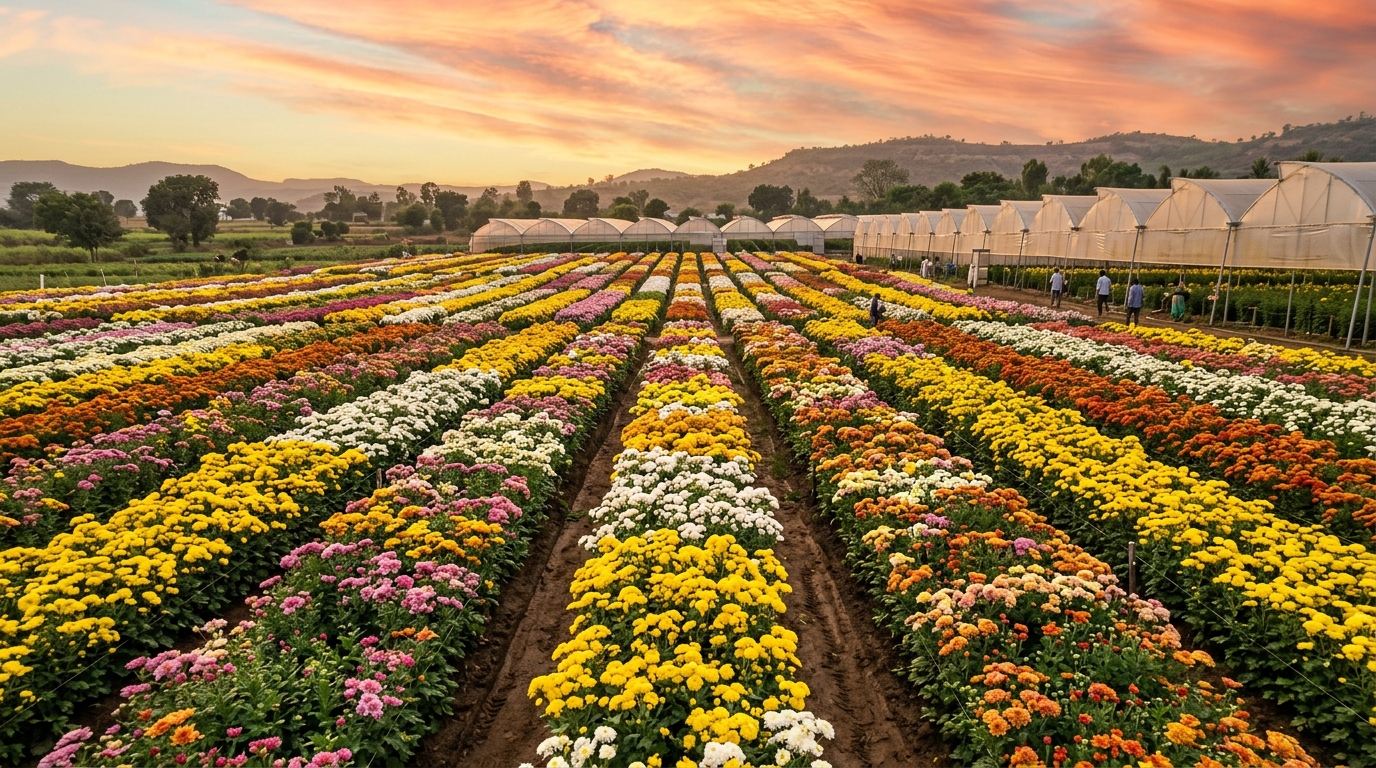
OBSERVE
See Before You Decide.
Every crop begins with observation. We look at the plant, root environment, substrate condition, irrigation, nutrition, environmental conditions, growth stage, plant health, pest and disease symptoms, and other visible changes.
Understand what the crop is telling us before deciding what to do.
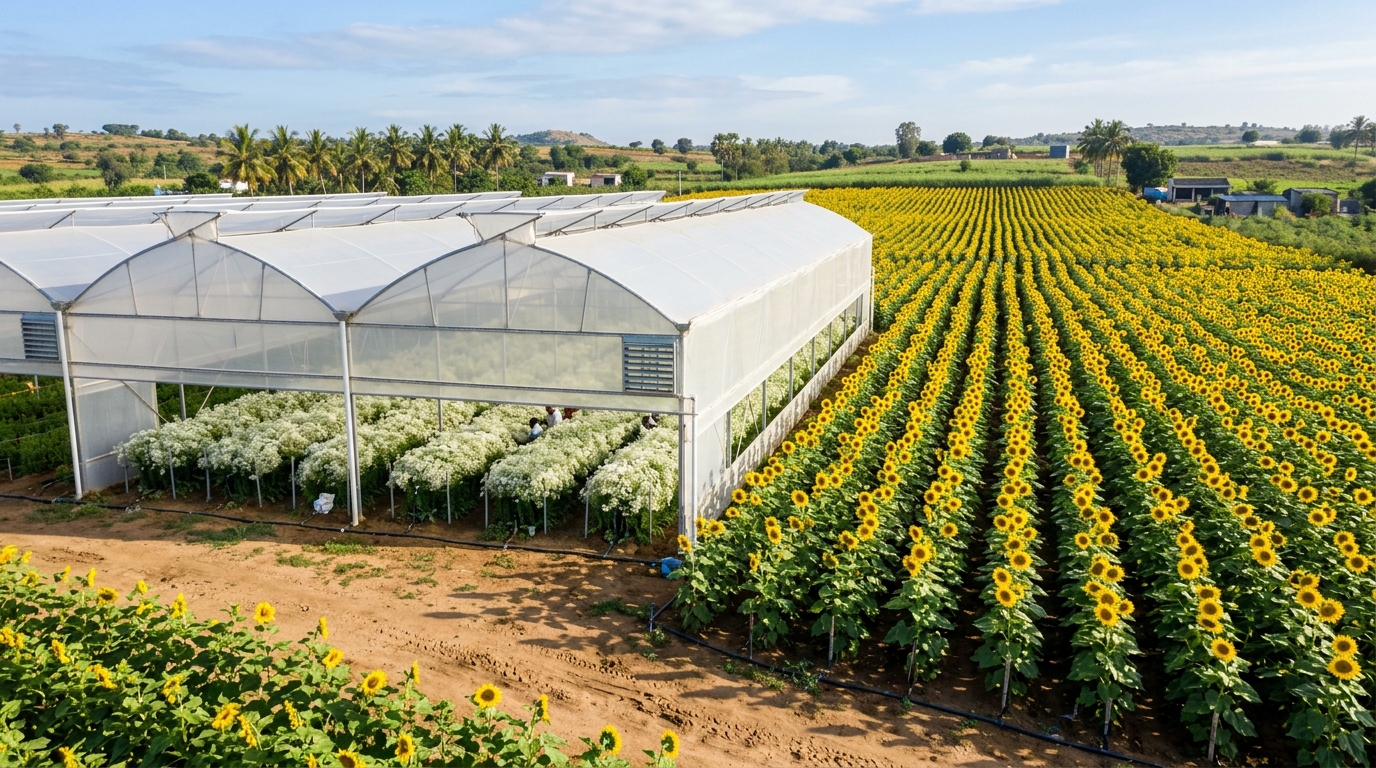
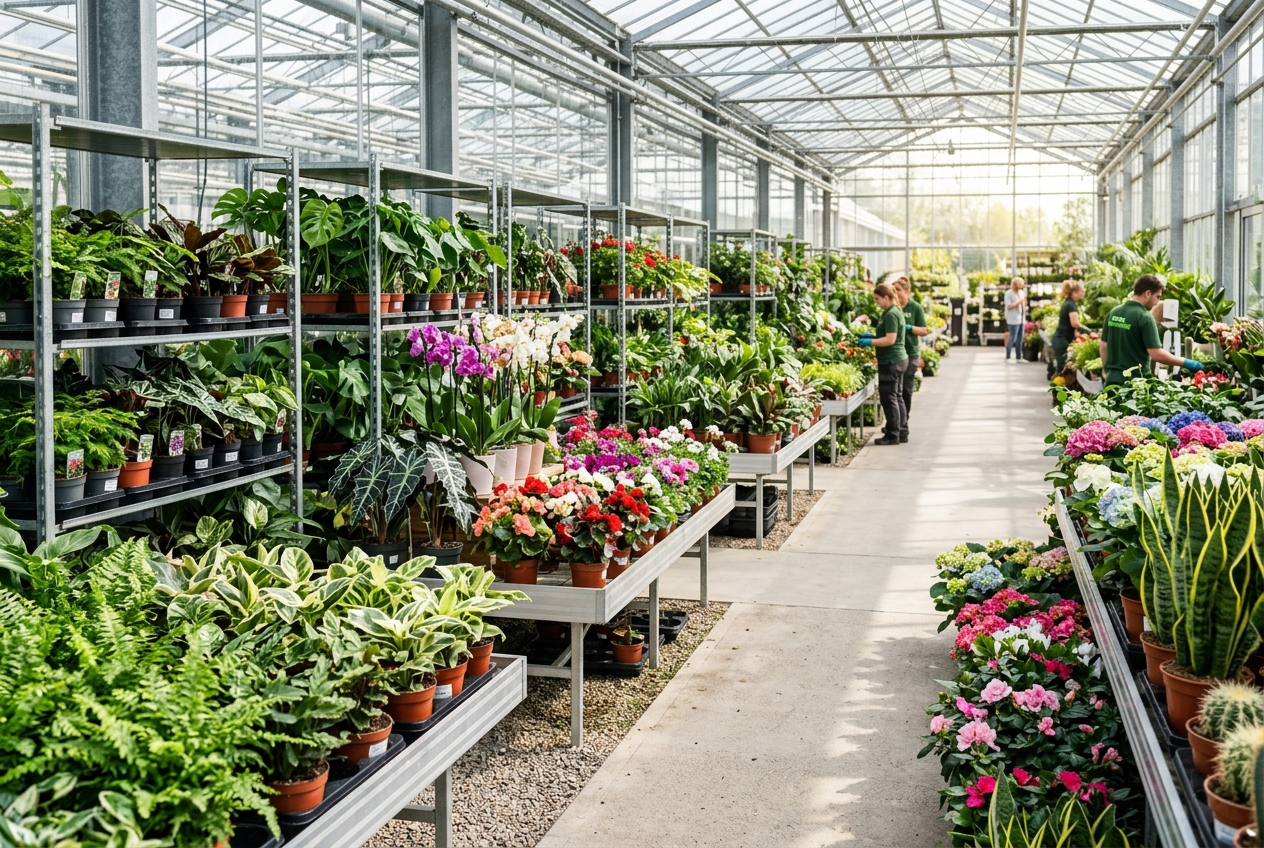
UNDERSTAND
Turn Observation Into Understanding.
An observation is only the beginning. We consider the crop stage, environmental conditions, previous management, plant response, and possible causes before choosing an intervention. Instead of asking only: “What should we apply?” we ask: “Why is the plant responding this way?”
That difference is central to our horticultural thinking.
PLAN
Good Cultivation Begins Before Work.
Crop activities should be planned around the plant's developmental stage and operational requirements: irrigation, fertigation, nutrition, propagation, pinching, environmental management, pest monitoring, harvest planning, labour, and dispatch requirements.
Move from reactive management toward deliberate crop management.
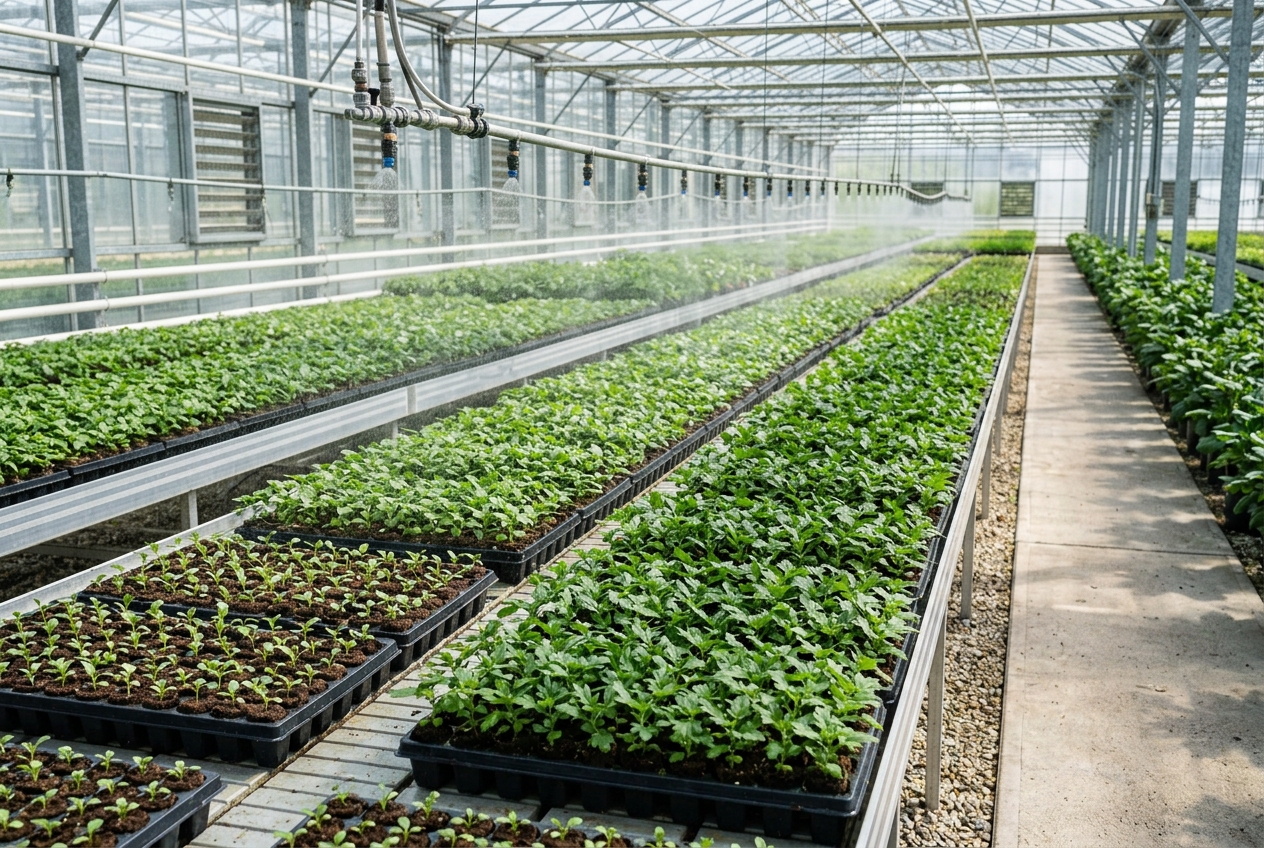
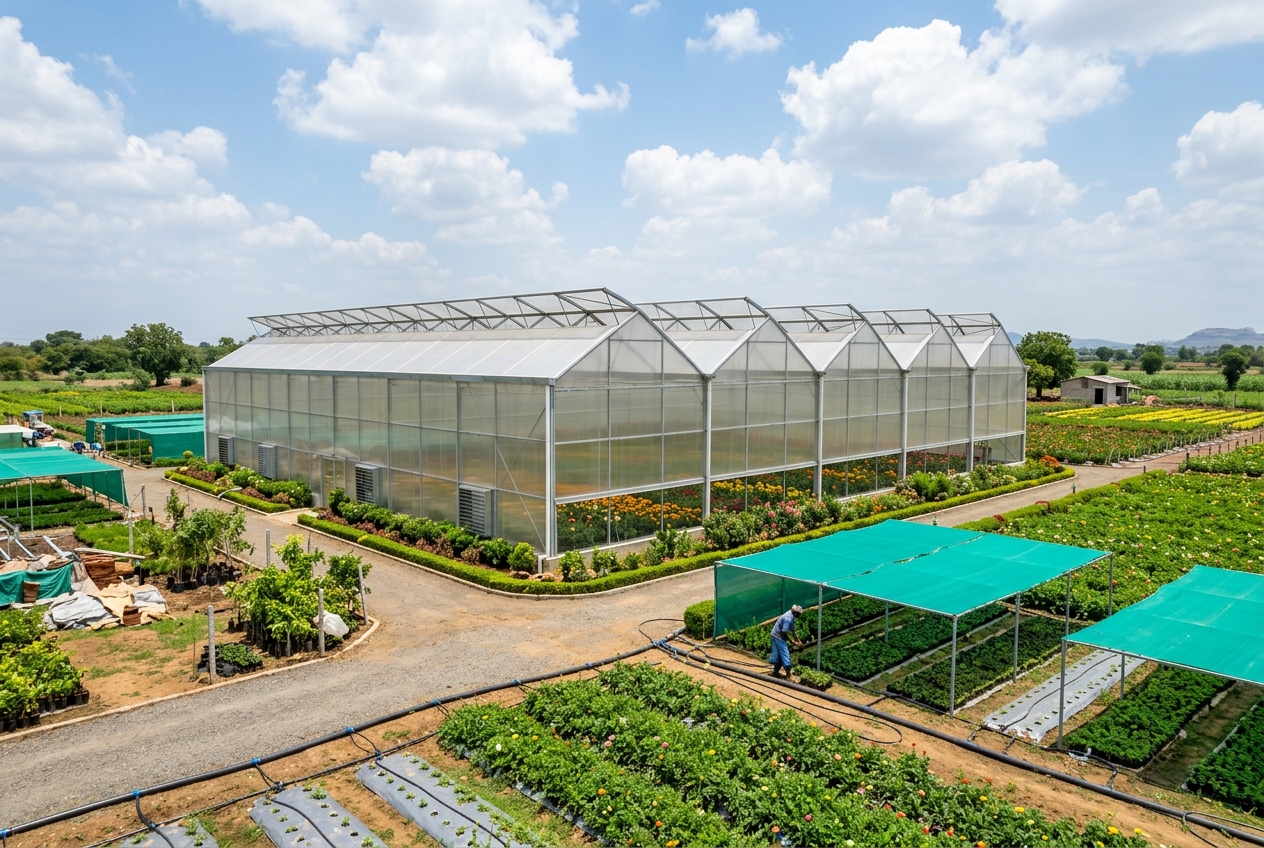
CULTIVATE
Put Knowledge Into Physical Work.
This is where horticultural understanding becomes physical work. We cultivate through disciplined execution of appropriate crop practices—from propagation and planting through irrigation, nutrition, crop training, plant protection, harvesting, and handling.
“A good plan has value only when it is executed properly.”
MEASURE
Move Beyond Assumptions.
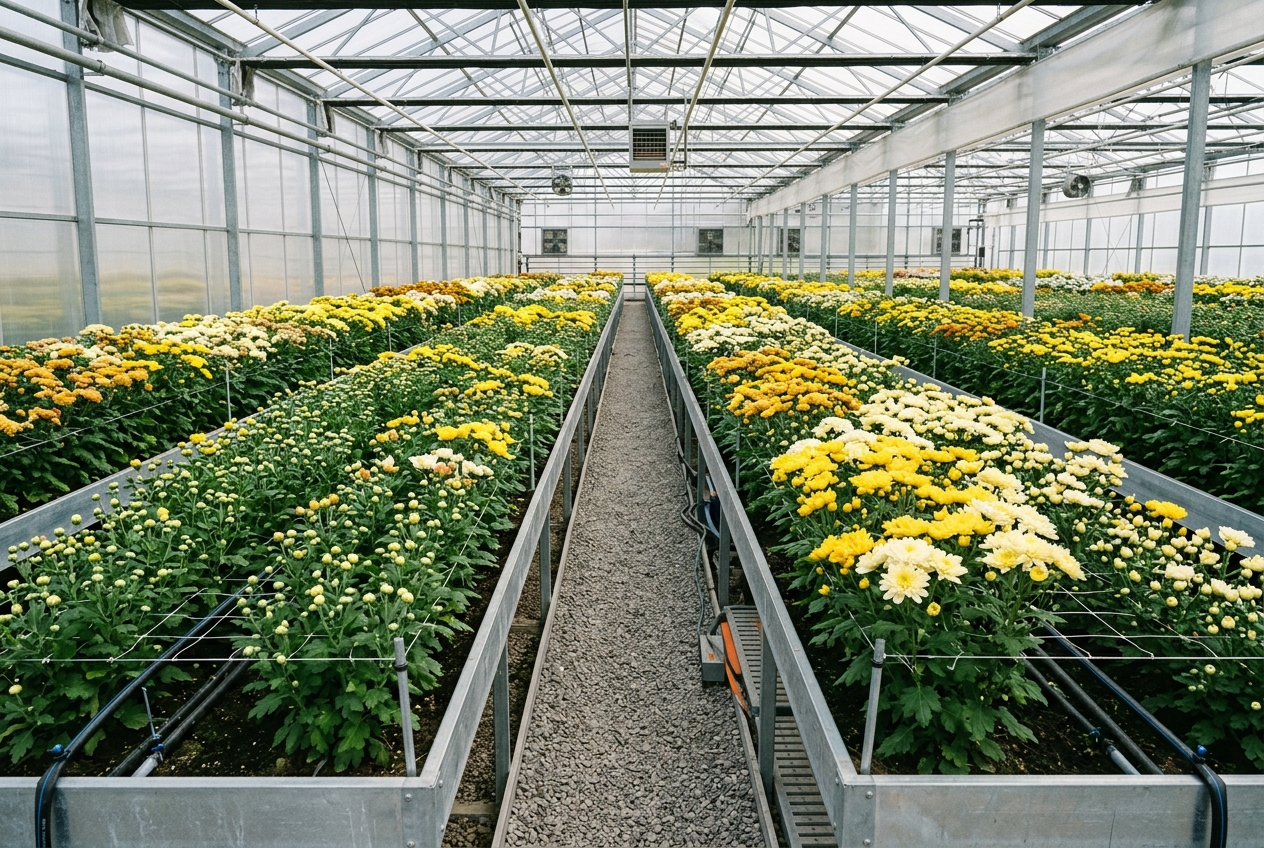
Measurement helps us move beyond assumptions: plant height, branching, root development, growth stage, flower development, pest incidence, irrigation performance, substrate condition, pH, EC, crop uniformity, harvest quality, and survival.
The measurement should serve the plant—not become measurement for its own sake.
DOCUMENT
Turn Experience Into Memory.
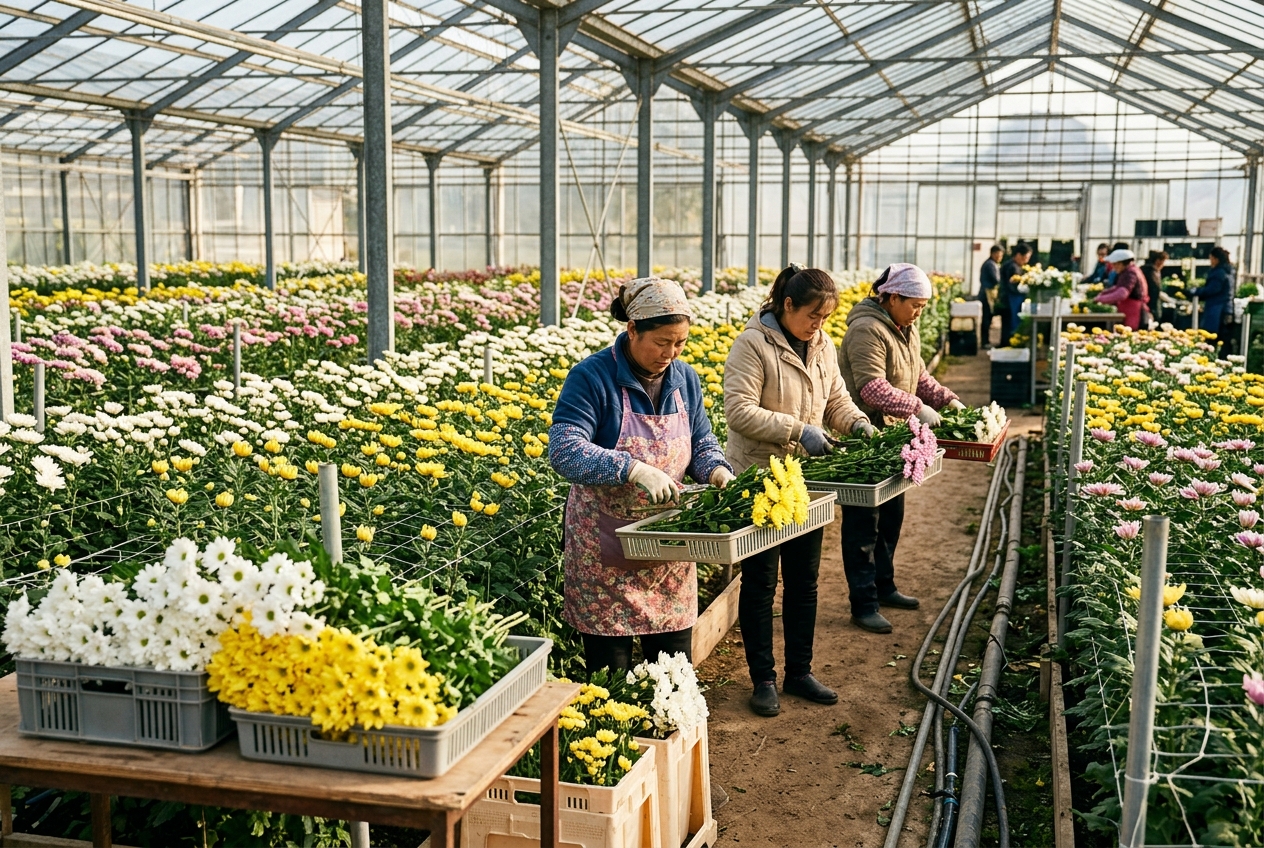
A crop observation should not disappear when the day ends. Important field information is documented: crop observations, nursery records, irrigation/fertigation logs, plant-health notes, harvest data, trial results, problems, corrective actions, and lessons learned.
Documentation transforms individual experience into institutional knowledge.
LEARN
Every Cycle Teaches Something.
A successful result deserves investigation. A failed result deserves investigation even more. We compare observations, consider environmental and operational variation, review previous decisions, and identify what can be learned.
The purpose is not to prove decisions were correct. The purpose is to understand what actually happened.
IMPROVE
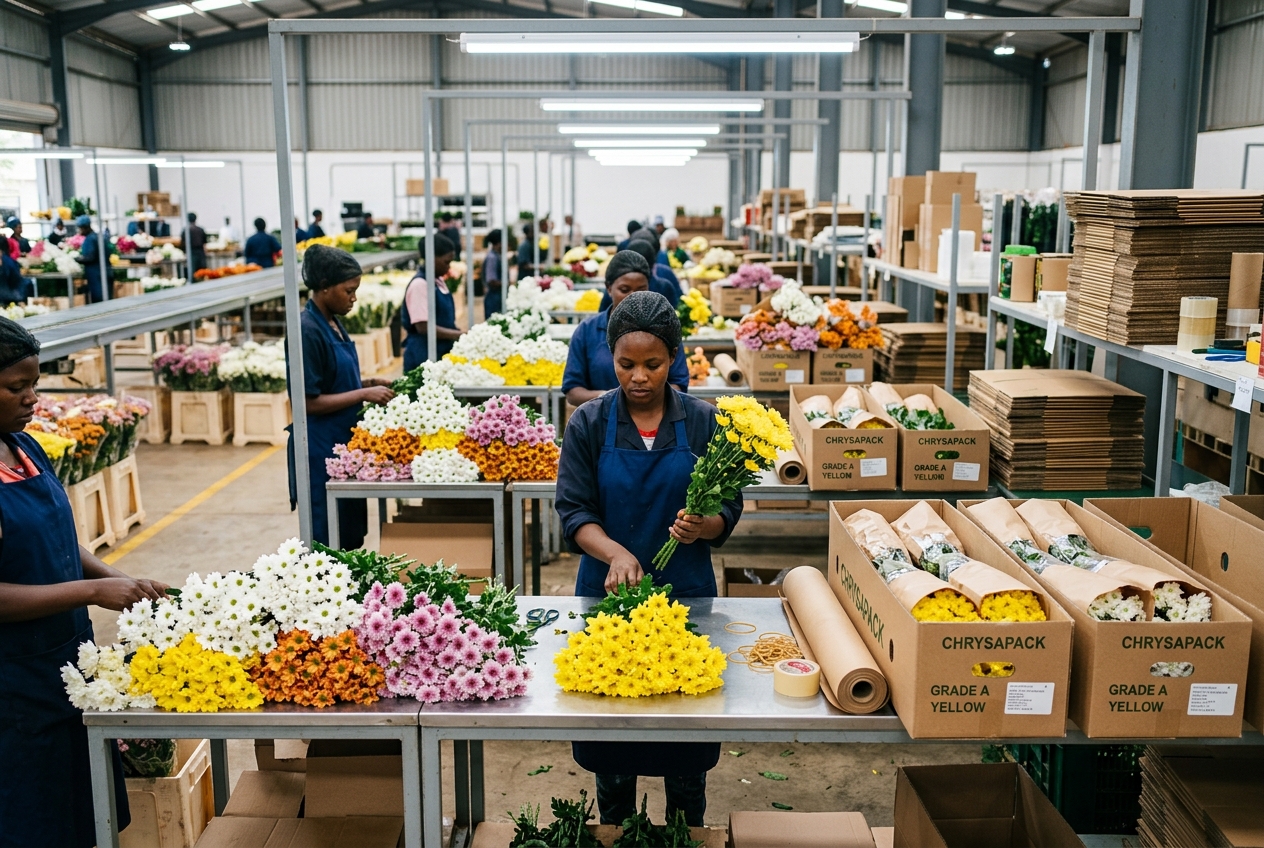
Where evidence supports a change, we refine the process. A better nursery practice, a corrected irrigation approach, a validated trial protocol.
“The practice does not end with the harvest. The harvest becomes information for the next cycle.”
HOW WE LOOK AT A CROP
One Plant. Many Variables.
Varietal Potential
What potential does the plant carry?
Beginning Health
How did the plant begin?
Substrate System
What is happening beneath the growing medium?
Hydration Discipline
Is the plant receiving what it requires?
Element Balance
Is nutrient availability supporting the current growth stage?
Protected Conditions
How are temperature, humidity, light, and airflow affecting the crop?
Symptom Signals
What are pests, diseases, deficiencies, and stress symptoms telling us?
Time Response
How is the plant responding over time?
Commercial Standard
Does the final plant or flower meet the intended requirement?
Horticulture Telemetry
Mother plant condition → cutting quality → substrate → moisture → rooting → hardening.
Light, photoperiod, temperature, humidity, airflow, fertigation, density, and architecture.
Monitoring leaf colour, turgidity, internode length, branching, root development, and bud stage.
Reasoned Interventions
Before any water, nutrient, or plant-protection intervention: What is the objective? What does the crop currently need? What evidence supports it? What response do we expect? How will we know it worked?
Access Field Observation Ledger →Observation → Record → Protocol
Field note → Learning → Working practice → Institutional protocol.
Knowledge ArchiveOUR STANDARD OF PRACTICE
“Do not simply repeat what was done yesterday. Understand why it was done, observe what happened, and decide what should happen next.”
Practice Is Where Belief Becomes Evidence.